Ellipse Skin Cancer Clinic

Skin Cancer Medicine & Specialist Dermatology

Noticed Something on Your Skin?

You don’t need to know what it is. You just need to know whether it’s worth getting checked. If you’re asking the question, we should take a look. 

Noticed Something on Your Skin?

You don’t need to know what it is. You just need to know whether it’s worth getting checked. If you’re asking the question, we should take a look. 

Most People Wait Too Long.

It's human nature to notice something and hope it goes away. A spot that's been there for months. A mole that looks slightly different to how it used to. A sore that keeps coming back.

In Far North Queensland, where UV exposure is among the highest in the world, that instinct to wait can have serious consequences. Skin cancer is one of the most treatable conditions — when it's caught early. The earlier a lesion is identified, the simpler the treatment may be, and the better the outcome. You don't need a diagnosis before booking. You don't need a referral. You just need to make the call.

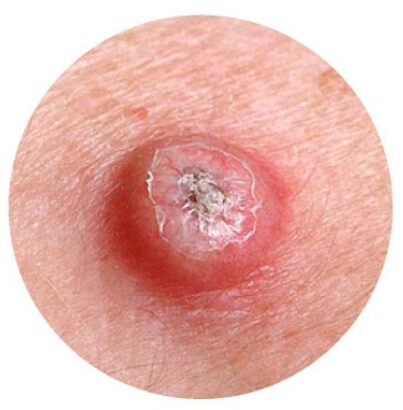
Basal Cell Carcinoma

Pearly nodule with visible blood vessels

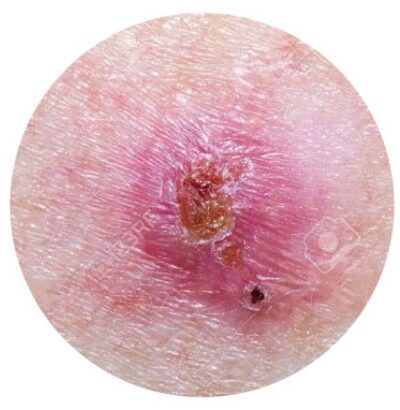
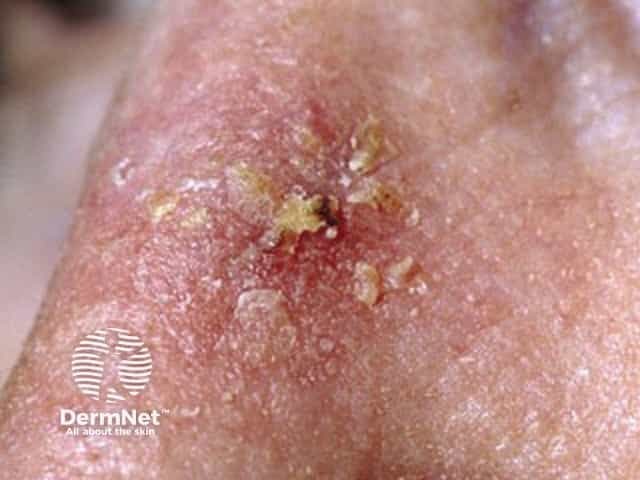
Squamous Cell Carcinoma

Scaly, red, firm nodule or ulcer

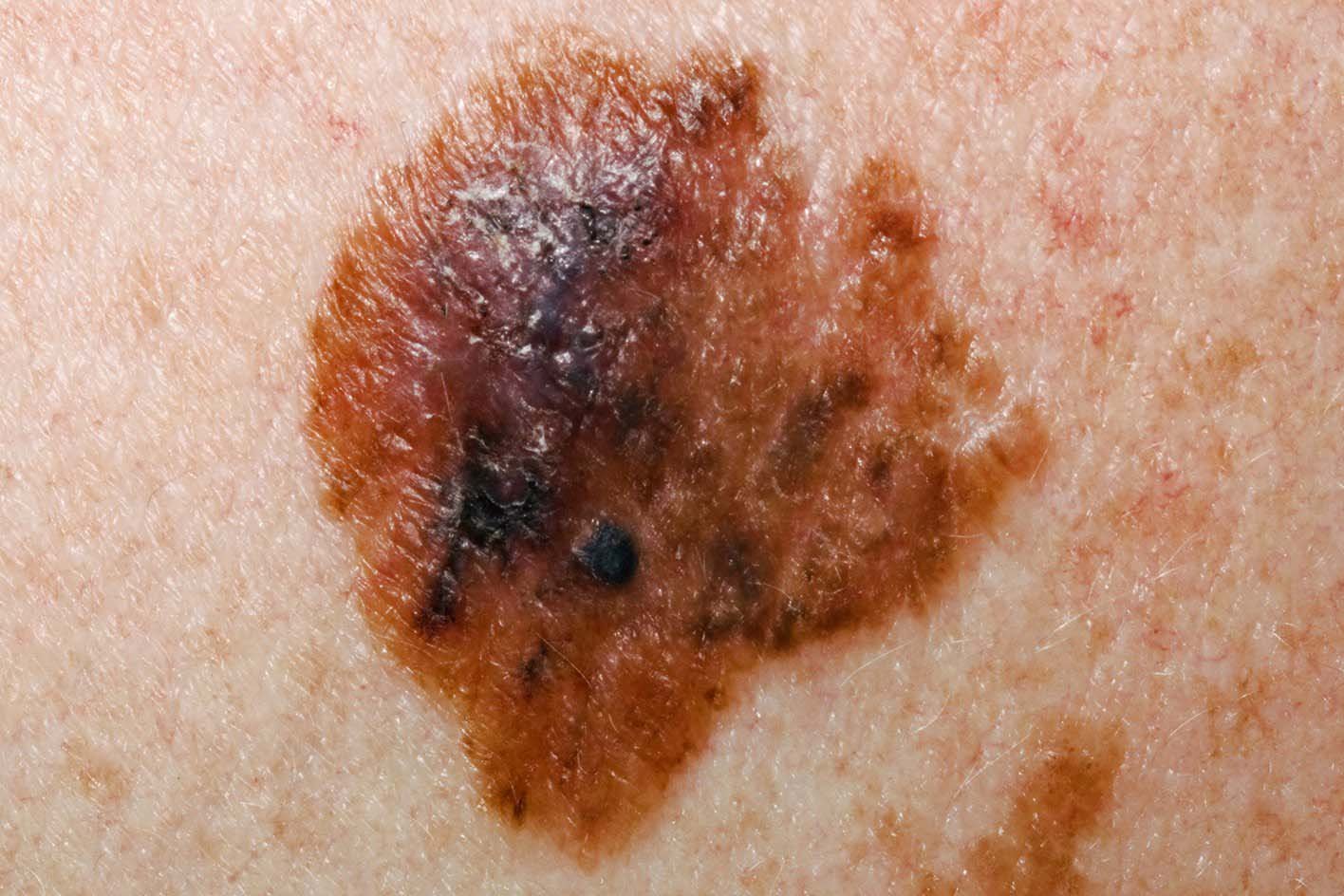
Melanoma

Irregular shape, uneven colour, changing size

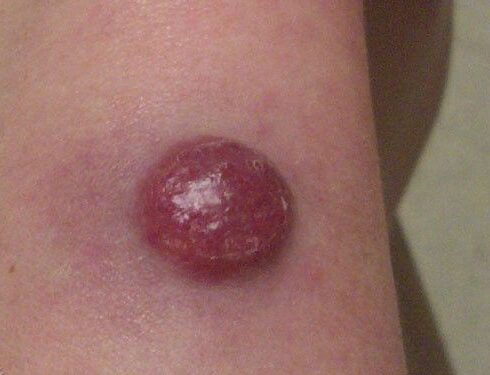
Merkel Cell Carcinoma

Fast-growing, firm, painless nodule

Actinic Keretosis

Rough, scaly, red patch

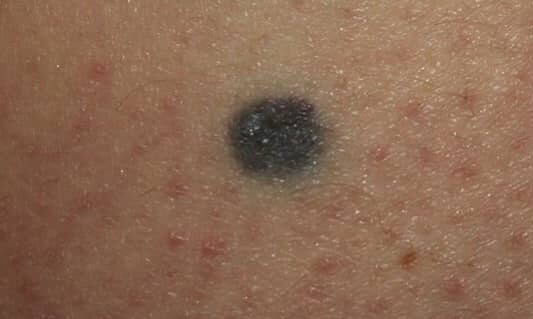
Blue Naevi

Bluish black popule

The ABCDE Guide to Checking Your Skin

This isn't a substitute for a clinical skin check — but it's a useful starting point for monitoring your own skin between appointments.

A

Assymetry

One half of the mole doesn’t match the other in shape or size.

B

Border

Edges are irregular, ragged, notched, or blurred rather than smooth.

C

Colour

Multiple colours within the same spot – brown, black, red, white, or blue.

D

Diameter

It gets larger than 6mm, or approximately the width of a standard pencil.

E

Evolving

Any mole or spot that is changing in size, shape, colour, or any other characteristic.

This guide is provided for general information only and is not a diagnostic tool. If you have any concern about a spot or mole — regardless of whether it fits the ABCDE criteria — book a clinical examination.

Skin Cancer is the Most Common Cancer in Australia.

Skin cancer is the most common cancer diagnosed in Australia, and Far North Queensland’s extreme UV environment means the risks here are higher than almost anywhere else in the world. The good news is that most skin cancers are highly treatable when identified early — which is why knowing what to look for, and acting on it promptly, makes such a significant difference to outcomes.

Changes to existing moles are among the most important early warning signs — particularly any shift in size, shape, colour, or border definition. Spots that bleed easily, crust over repeatedly, or simply refuse to heal after several weeks are also common presentations of basal cell and squamous cell carcinoma, the two most frequently diagnosed skin cancers in Queensland. New growths or lumps appearing on the skin without obvious explanation, particularly in areas of regular sun exposure such as the face, neck, scalp, and hands, should always be assessed by a clinician rather than monitored at home.

Less obvious symptoms are just as important. Moles or lesions with asymmetrical or irregular borders — where one side doesn’t mirror the other, or the edges appear blurred or notched — can indicate abnormal cell activity that is not yet visible to the naked eye. Similarly, persistent itching, tenderness, or a change in sensation around an existing spot or mole is frequently reported by patients later diagnosed with melanoma, even before any visible change has occurred.

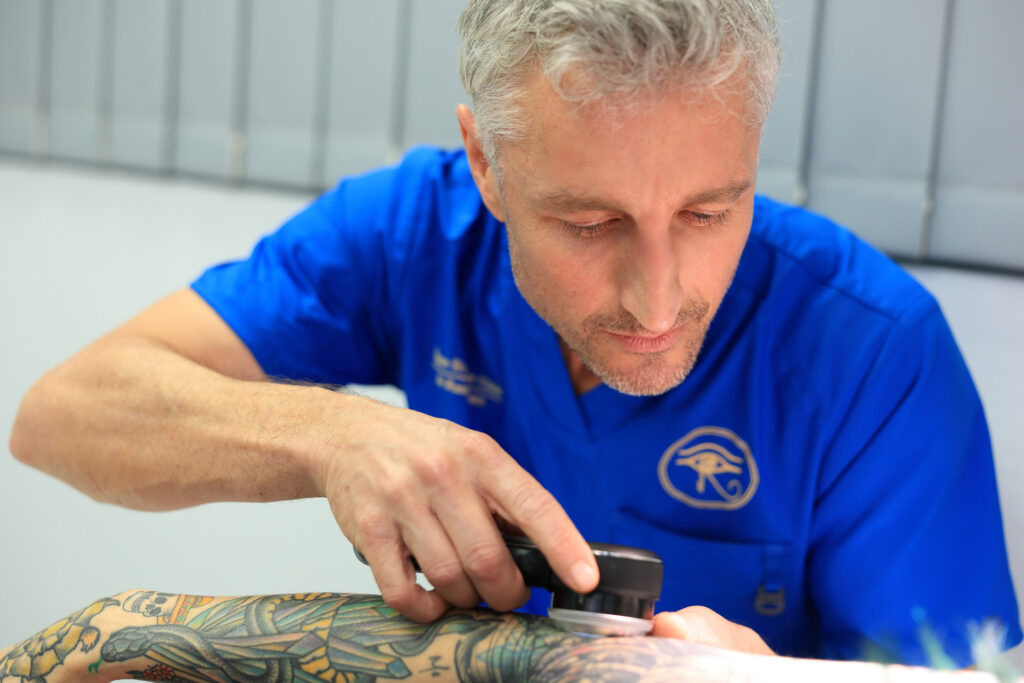
If you have noticed any of these signs — or anything that simply doesn’t look or feel the way it used to — a skin check at Ellipse is the right next step. You don’t need a referral, and you don’t need a diagnosis before you book. Our doctors will assess what you’re seeing, explain what they find, and advise on next steps. In most cases, a 30-minute appointment is all it takes to know where you stand.

When Should You Book?

Book Soon

You’ve noticed a new or changing spot in the last few weeks. Nothing urgent — but don’t let it sit. Book within the next two to four weeks.

Book This Week

A spot is bleeding, won’t heal, or has changed noticeably. Don’t wait for a standard GP appointment. Book a dedicated skin check at Ellipse this week.

Annual Check

You live in Far North Queensland and haven’t had a skin check in the last 12 months. Book your annual check — even if nothing looks concerning right now.

Don't wait on suspicious spots

In Far North Queensland, skin cancer is one of the most preventable diseases — if caught early. A 20-minute check could make all the difference.

  • Free On-Site Parking
  • Ground Floor Access
  • Mon-Thu 9am-5pm | Fri 9am-12pm 
  • (07) 4281 6669